LLM/VLM-based Basketball Game Analyzer
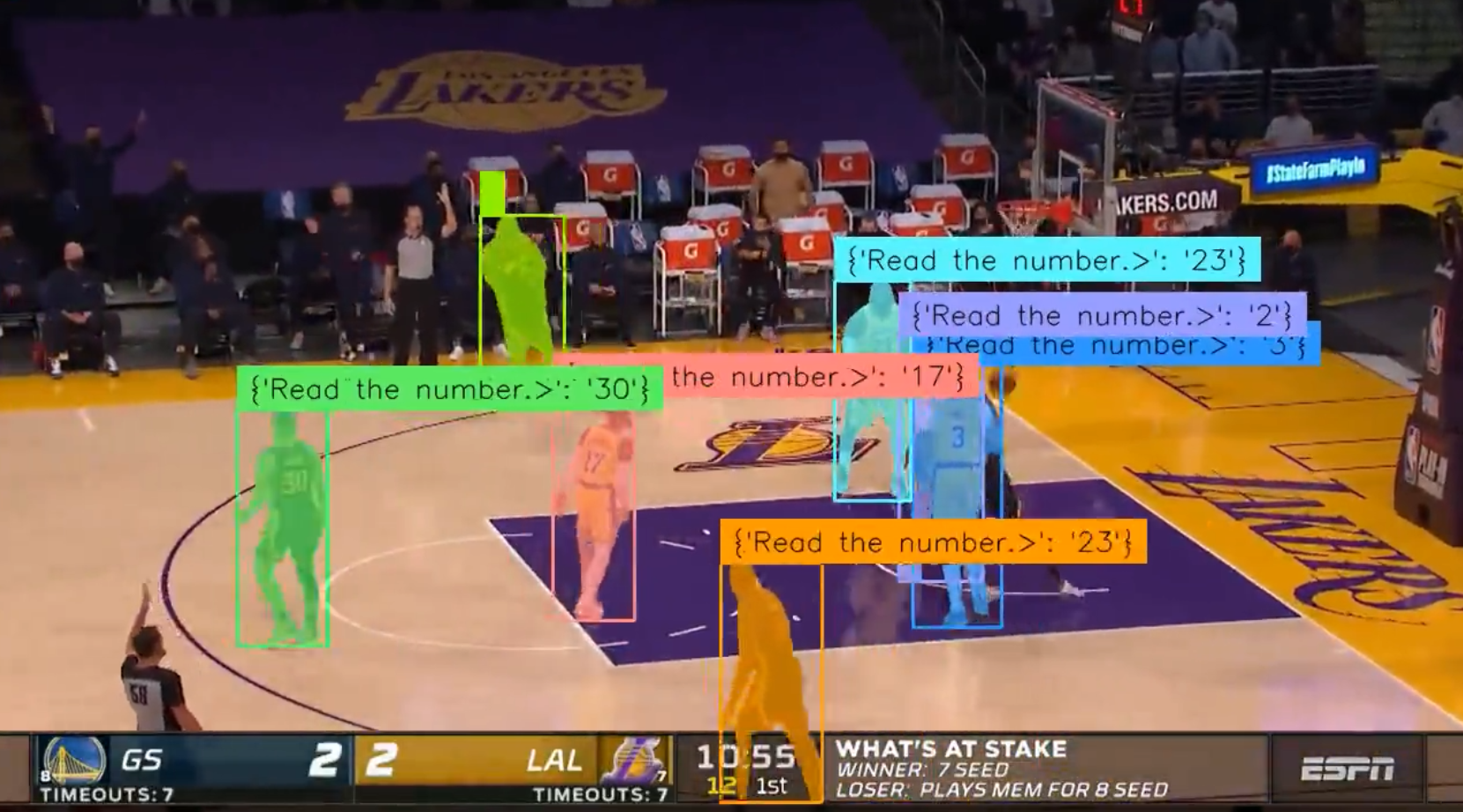
This project transforms basketball broadcast video into structured game intelligence. The pipeline combines player detection and tracking, court detection and mapping, and VLM/LLM reasoning to identify who is involved in key plays and what action is happening. In addition to the Roboflow basketball player tracking pipeline, I used OpenAI Whisper to transcribe game audio, apply an LLM to identify the most valuable player. Also, I extended this to integrate LLaVA as a VLM to explain important plays in the game. The goal is to move beyond simple highlights and build an analytics layer that can explain the game for coaches, analysts, and fans.
Resource Allocation and Scheduling using Reinforcement Learning
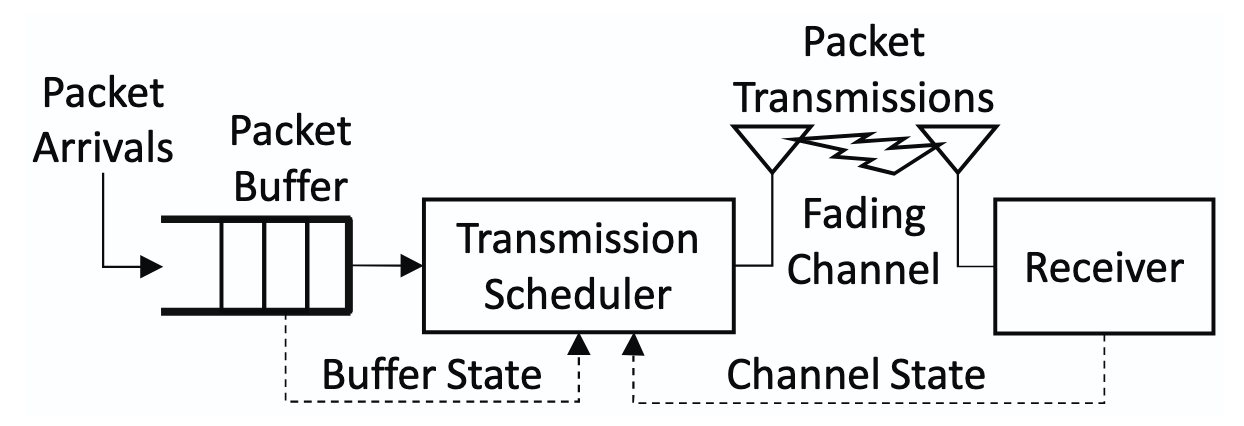
This project studies packet scheduling for a wireless transmitter with buffer dynamics, channel variation, power cost, buffer cost, overflow risk, and packet loss. I compared reinforcementlearning strategies including Q-learning, post-decision-state learning, stochastic PDS, model-based methods, and Virtual Experince Learning. The goal is to design fast scheduling policies that keep delay-sensitive traffic stable while using transmission power efficiently, which is central to IoT, wireless streaming, and next-generation network control. Link
360-degree ROI Video Processing and DASH Streaming
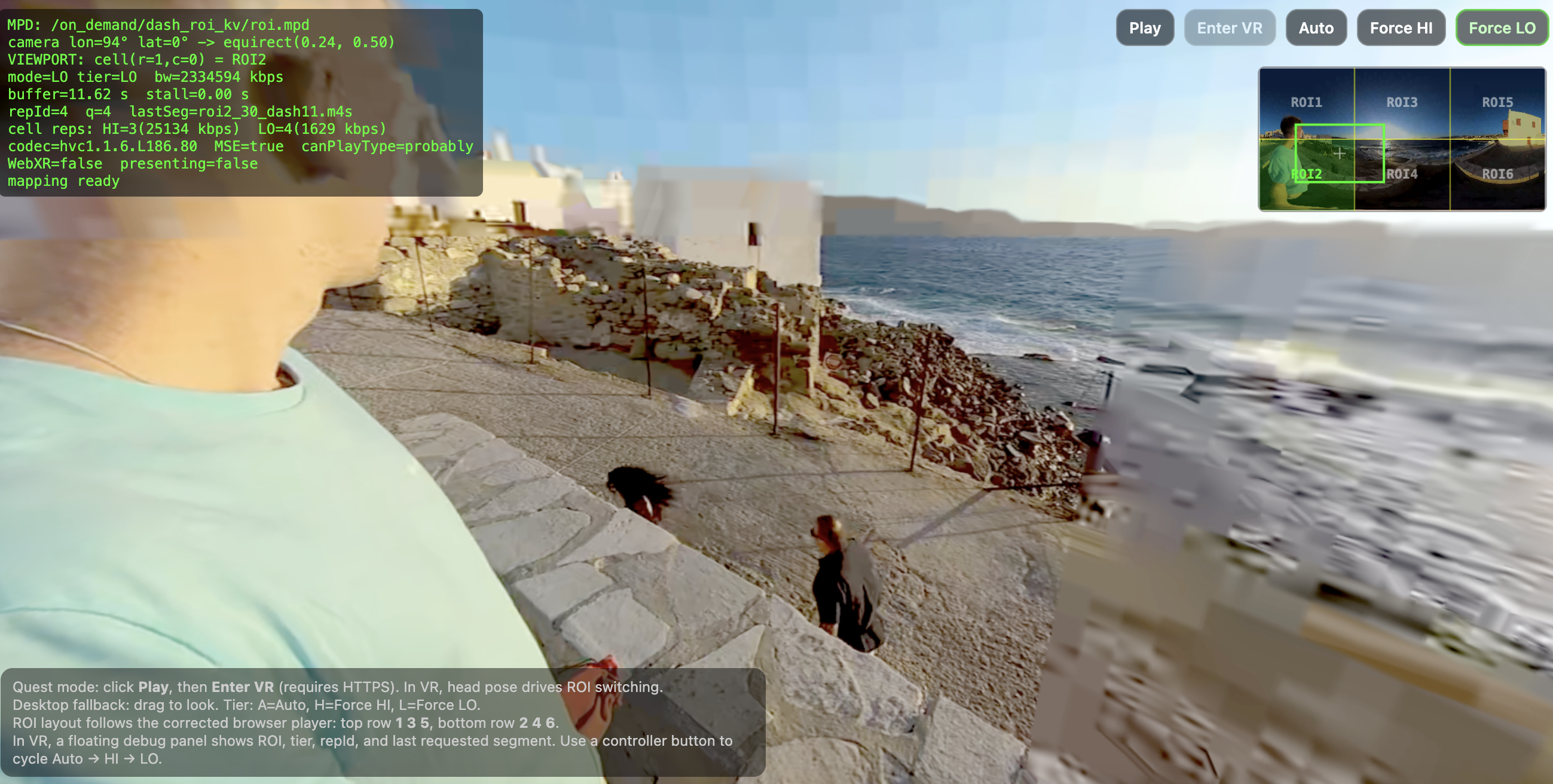
This project builds an adaptive 360-degree streaming workflow for immersive video. The system encodes region-of-interest at multiple qualities with tools such as Kvazaar and packages them into DASH representations (Tutorial), then uses a WebXR/Three.js player to switch quality based on the viewer's gaze or headset orientation. The goal is to preserve high visual quality where the user is looking while reducing unnecessary bandwidth outside the field of view, making immersive streaming more practical for wireless and VR environments. Link